A high quality composite door lasts 25 to 35 years, and many models last well into 50 years if properly cared for. This longevity is significantly better than traditional wooden doors (15 to 25 years) and standard UPVC doors (15 to 20 years), hence composite doors are considered a better long term investment for households.
The secret to its longevity lies in its multi layered structure. Various materials such as GRP, wood, foam, and UPVC work together to protect the door from warping, fading, and weather damage. This protection is much higher than single material doors.
That’s why when people ask, “How long do composite doors last?” So the answer depends on the quality of the door, proper installation, and regular maintenance over the years.
Key Takeaways
- A good quality composite door lasts 25 to 35 years, and can last even longer if properly maintained.
- Composite doors have a longer lifespan than wood (20 to 30 years) and uPVC doors (15 to 20 years).
- Doors with GRP (Glass Reinforced Plastic) skins are more resistant to discoloration or fading due to sun and weather effects than painted wooden doors.
- The lifespan of a door depends on the quality of installation, interior cover material, amount of sunlight, and regular cleaning.
- Most composite doors come with a 10 year manufacturer’s warranty, but these doors last much longer than the warranty period.
What Is a Composite Door Made From?
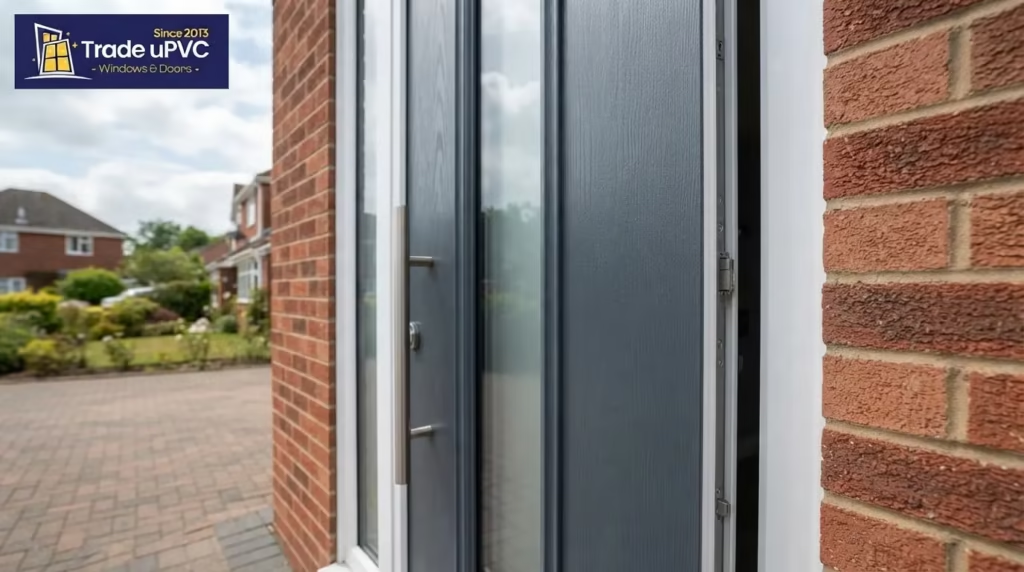
A composite door is an exterior door that is made from a combination of overlapping, high performance materials rather than a single material like uPVC or traditional timber. Toy can check the key components of the composite door below:
- GRP (Glass Reinforced Plastic) outer surface: 4mm thick outer layer that protects against sun (UV rays), moisture, and impacts.
- Solid wood or foam filled core: It provides a strong structure to the door and better retains heat or cold inside the home.
- Reinforced uPVC frame: It adds strength to the door edges and prevents wind and water ingress.
- Weatherproof Polymer Seals: Installed around the door to prevent drafts and water from entering.
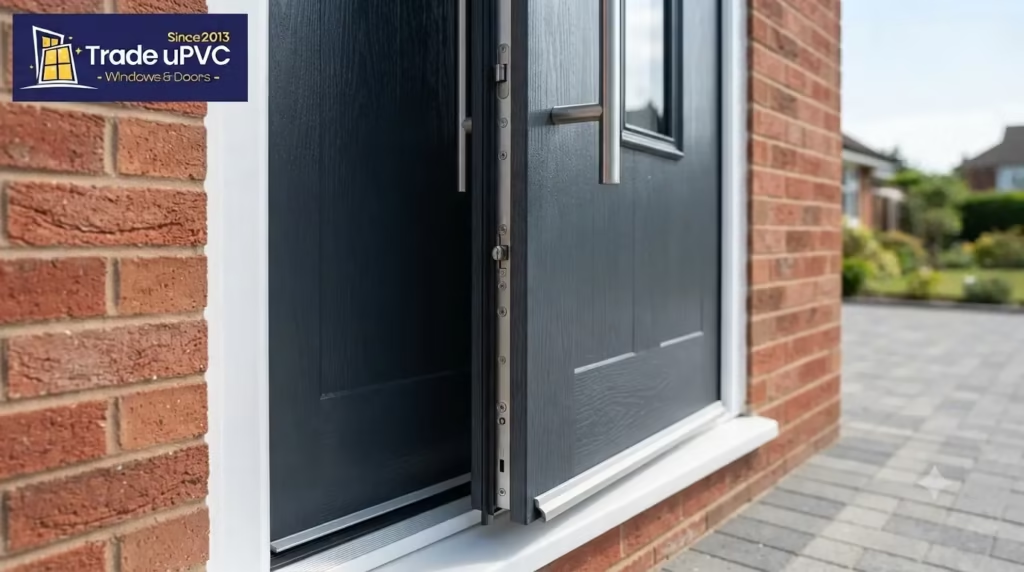
- Multi Point Locking Hardware: Strong steel locking parts that last for many years despite daily use.
This texture gives composite doors a beautiful look like wood, but it does not require as much maintenance as wood. At the same time, they provide excellent thermal performance like modern insulated panels. If you’re buying composite doors in 2026, then don’t think of it.
How Long Do Composite Doors Last?
A high quality composite door (if installed correctly) lasts 25 to 35 years. Many doors continue to perform at their best for even longer with proper maintenance. You can check the details with this list.
- A composite door consists of several layers, including a core of wood or insulated foam and a layer of GRP (Glass Reinforced Plastic) on the outer surface.
- The outer layer of GRP prevents moisture, ultraviolet rays of the sun, and the effects of temperature changes from reaching the interior.
- The strong UPVC frame prevents the door from warping or twisting, which is a common problem with solid wood doors.
- The door is surrounded by weather seals that prevent water and cold air (drafts) from entering and provide lifetime protection.
- The multi point locking system is manufactured from hardened steel, designed to last for many years despite daily use.
If you’re buying a composite door in 2026, then don’t think of it as a minor home improvement but a long term investment that provides years of benefits like security, durability, and energy savings.
What Affects Composite Door Lifespan?
There are many things that affect the lifespan of a composite door (installation quality, weather exposure, daily wear, and maintenance). You can check all the details below.
Core Construction and Build Quality
A door cover is its internal structure. Some companies use thinner foam or lower quality wood to keep costs down.
- Solid timber and engineered laminate cover better protect the door from warping.
- Foam cores keep the door light and improve insulation, but each brand has a different foam density.
- Thicker cores (45mm or more) give better performance over a longer period of time than thinner cores.
Installation Quality
If even a high quality door is installed incorrectly, it will not perform well.
- If gaps are left around the frame, then moisture can get in. It quickly deteriorates hinges, seals, and locking systems.
- Always check that the installer is registered with FENSA or Certass.
- It is better to ask how the frame will be fitted and sealed to the brickwork.
- One of the most common causes of door damage is that the frame is not square.
Weather Exposure and Orientation
The performance of a single door can vary depending on its location and orientation:
- South facing and west facing doors get more sun and heat.
- Doors under a porch or shed age more slowly than doors in an open environment.
- Salt air in coastal areas causes additional impact and damage to doors.
Composite vs Timber vs uPVC: Lifespan Comparison
This table summarizes the key differences between composite, timber, and uPVC doors. You can check all the details here.
| Door Type | Average Lifespan | Maintenance Required | Weather Resistance |
| Composite | 25 to 35+ years | Very low | Excellent |
| Timber | 20 to 30 years | High | Moderate |
| uPVC | 15 to 20 years | Low | Good |
Do Composite Doors Fade Over Time?
Cheap or budget composite doors suffer from UV damage, which leads to chalky surfaces and discolouration over time. You can check this list:
- Sun exposure: South facing doors get more direct sunlight, so they can fade faster than shaded or north facing doors.
- Color choice: Dullness is more noticeable in reds and bright yellows, while grays, blacks, and wood like finishes are less noticeable.
- Quality of color and finish: Lower quality and finer GRP skins tend to tarnish faster than higher quality ones. Some low cost composite doors may begin to discolor the surface within 8 to 10 years of continuous exposure to sunlight.
- Routine cleaning: Regular cleaning prevents the accumulation of dust and grime, which can increase UV damage. So keeping the door clean from time to time helps to reduce color fading.
What Makes Composite Doors Last So Long?
These doors provide immense strength, structural stability, and weather protection by combining multiple high performance materials. You can check all the details here.
GRP Exterior Skin
This outer layer protects the door from rain, sun (ultraviolet rays), and injuries. This layer prevents the problem of rotting and surface deterioration in wooden doors over time.
Insulated Core
Whether it’s foam or solid wood, the interior provides strength to the door and prevents it from warping or twisting. At the same time, it does not allow moisture to penetrate inside.
Weather Seals
Seals on the edges of the door prevent water and cold air from entering. The internal hardware and insulation are protected from damage.
Multi Point Locking Hardware
Strong steel locking points are designed to function correctly even after being locked and unlocked thousands of times. This feature plays an important role in the security of the door as well as its longevity.
Composite Door Maintenance: How to Maximise Lifespan
Composite doors don’t require as much maintenance as wooden doors, but a little regular maintenance can improve their performance and appearance for a long time.
- Clean the door surface every 6 to 8 weeks with lukewarm soapy water and a soft cloth.
- Do not use harsh chemicals or abrasive cleaning pads, as these may damage or dull the GRP finish.
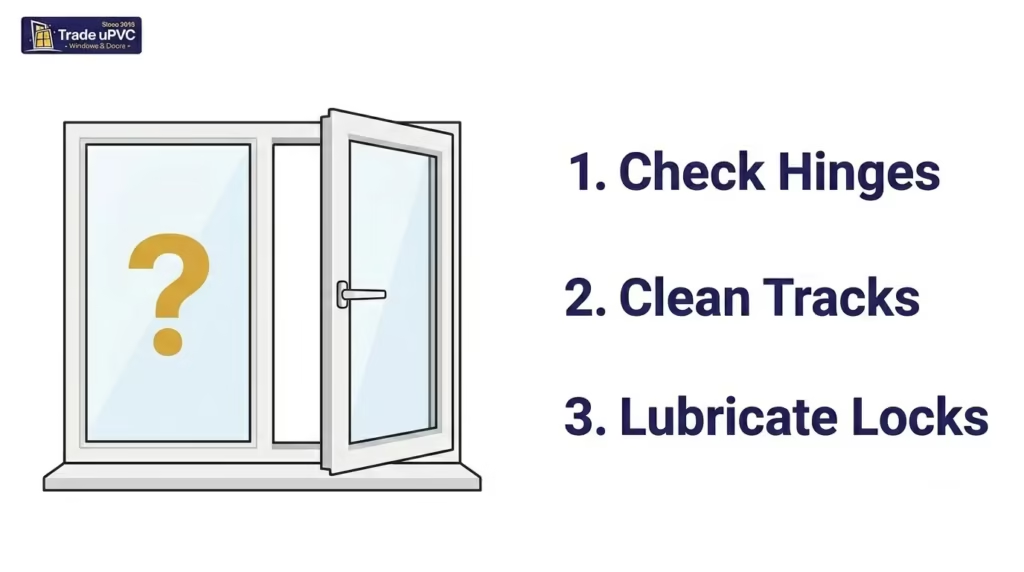
- Apply a light machine oil to hinges, locks, and handles every 6 to 12 months to keep them working smoothly.
- Check weathersails annually and make sure they are properly in place.
- If the handle starts to stick or the lock becomes tight, then get it fixed right away and don’t wait for a complete breakdown.
- If possible, add a porch or canopy to protect the door from direct sunlight and weather.
| Maintenance Task | Frequency | Why It Matters |
| Clean surface | Every 6 to 8 weeks | Prevents grime buildup and dulling |
| Lubricate hardware | Every 6 to 12 months | Keeps locks and hinges working smoothly |
| Inspect seals | Annually | Maintains weatherproofing and insulation |
| Check alignment | As needed | Catches minor issues before they worsen |
Long Term Value: Is the Higher Cost Worth It?
This table summarizes the key differences between composite, uPVC, and timber doors. With this, you can check the best option for you.
| Cost Factor | Composite Door | uPVC Door | Timber Door |
| Lifespan | 30 to 35 years | 15 to 20 years | 20 to 30 years |
| Replacements needed | 0 to 1 | 1 to 2 | 1 |
| Maintenance cost | Very low | Low | High |
| Energy savings | Excellent | Good | Moderate |
| Security level | High | Moderate | Moderate |
How Long Do Composite Doors Last – FAQs
How long do composite doors typically last?
Composite doors last 30 to 35 years, and they can sometimes endure for up to 50 years with proper care.
Do composite doors fade or discolour over time?
High quality composite doors do not easily fade or discolor over time. These doors are engineered with a durable Glass Reinforced Plastic (GRP), which protects from UV rays.
What factors affect the lifespan of a composite door?
The exact lifespan of composite doors depends on the quality of the materials, installation accuracy, environmental exposure, and routine maintenance.
Are composite doors more durable than uPVC or timber doors?
Yes, composite doors are broadly more durable than uPVC and timber doors. They are engineered to combine the best features of both materials (resisting weather, scratching, and warping without the maintenance).
Conclusion
A good quality composite door is a long-term investment instead of just a temporary solution. When people ask how long do composite doors last, the answer is 25 to 35 years, and they require very little maintenance during that time. Throughout its lifespan, it outperforms timber and uPVC doors in terms of security, insulation, and overall appearance. Instead of focusing only on initial cost, consider its lifetime value.