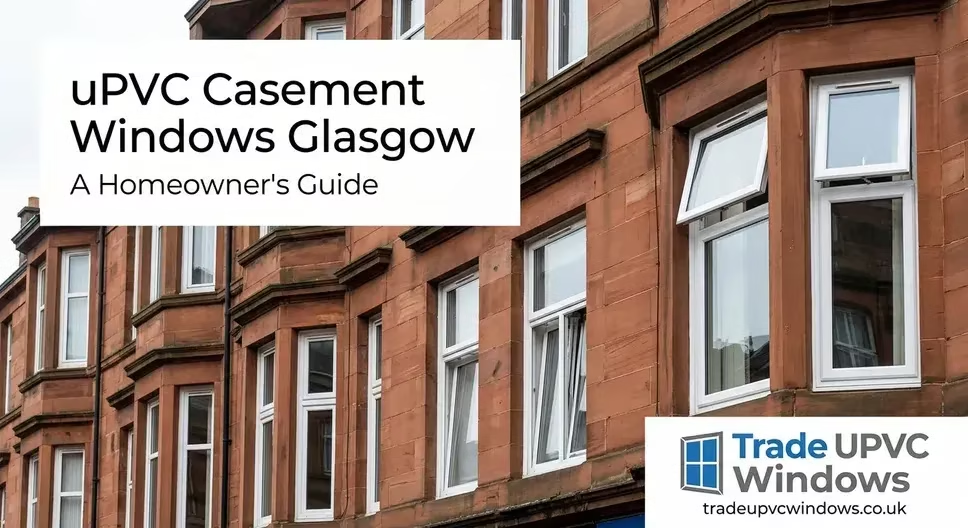
This uPVC casement windows guide walks you through everything you need to know before replacing a window in Glasgow. When searching for replacement windows in the city, you will keep coming across this style. They are the most popular window choice across Scottish homes, and there are some solid reasons for that. They suit almost any type of property, are hard-wearing for Glasgow’s damp climate, and are very easy to maintain.
Here’s what makes this window style the one Glasgow homeowners rely on most: the available styles, what to expect for glazing and security, and what to check before you buy.
What Is a uPVC Casement Window?
A casement window is one that’s hinged at the side or top and opens outward (or inward in some styles). They’re the most common window style you’ll see on Glasgow homes, from Victorian tenements to modern new builds. The shape of the frame, the neat lines, and how it opens make it versatile enough to work on a variety of properties.
The uPVC frame is what makes the modern version stand apart from older timber windows. uPVC doesn’t rot, doesn’t warp in the rain, and never needs painting. Glasgow’s climate wet winters, damp springs, and biting cold would test any frame material therefore uPVC is the best choice for it.
So, when someone refers to these windows in Glasgow, they’re referring to the most practical, durable, and low-maintenance choice of window for homes in this city.
Types of Casement Windows Available in Glasgow
Once you start shopping, you’ll quickly realise there’s more variation than you might expect. The diagram below shows how the main opening styles differ, and the breakdown underneath covers each one in more detail.
- Side-hung casement windows are the standard. Hinged on the left or right side, opening outward. These are the most common choices across Glasgow homes and work in pretty much any room.
Top-hung casement windows are hinged at the top rather than the side. Common in bathrooms and kitchens where a fully opening side-hung window isn’t practical, and good for ventilation with added security.
- Bottom-hung casement windows work the opposite way, hinged at the bottom, opening inward at the top. These are less common, but used in specific applications.
- Single casement windows have one opening panel in a single frame. Clean and simple, ideal for smaller rooms or narrow openings.
- Double casement windows have two panels that open outward from a central point. These are effective for larger openings and help create a harmonious, balanced appearance on the outside of a building.
- Flush casement windows sit completely flat within the frame when closed, with no protruding sash. They look sharper and more contemporary, and they’re also very popular on period Glasgow properties because they closely resemble original timber windows. Flush casement uPVC windows are available in wood-effect foils too, so you get a traditional look without the upkeep.
- French casement windows open from the centre with no vertical bar between the two panels. The result is a wide-open space for a garden-facing room or any other area where a more open connection to the outside is desired.
- Floor-to-ceiling uPVC windows run the full height of a wall. They work best in extensions, open-plan living areas, or rooms where the goal is to make the space as light and airy as possible.
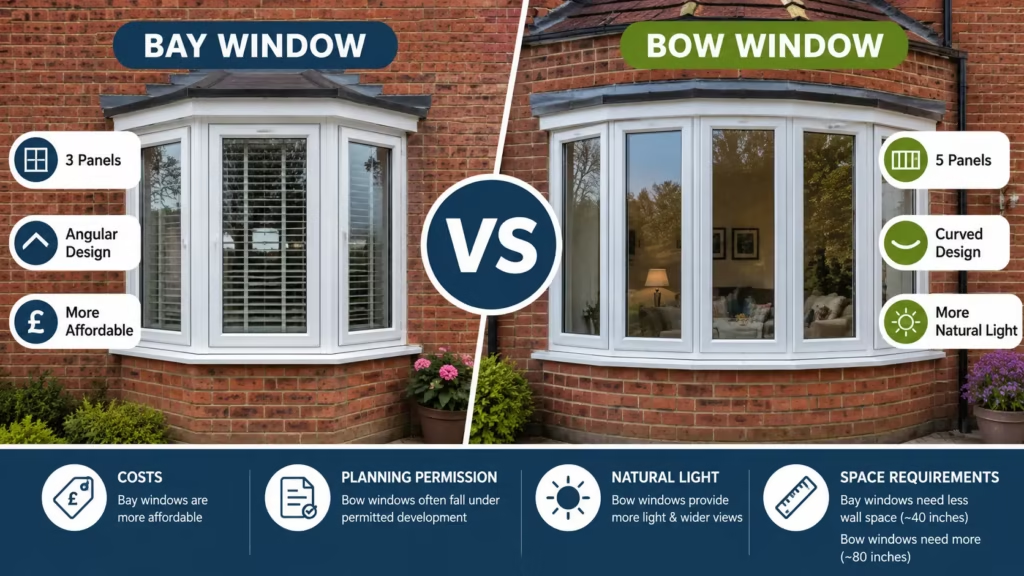
If you’re also weighing up a bay or bow window for a different room, our bay window vs bow window comparison covers which tends to suit which type of space.
Why does uPVC Casement Windows Suit Glasgow So Well?
Glasgow’s climate isn’t kind to traditional timber that is why uPCV are preferred. They do not swell, crack, warp, and rot over time due to the constant rain, damp air, and cold winters.
It’s also worth knowing upfront that not every Glasgow supplier manufactures its own frames or uses the same profile system. Rehau, for instance, is one of the most widely used and well-regarded uPVC profile systems in the UK, and it’s worth asking which system a company fits before you commit to a quote.
Beyond weather resistance, there are several reasons why uPVC casement windows in Glasgow make sense specifically for this city:
- Energy efficiency: The way a casement window closes, pressing the sash tight against the frame, creates a very effective seal. In addition to double or triple glazing, many modern frames offer A-rated energy performance as standard, though the exact rating depends on the profile and glazing combination fitted. This could save on your heating costs, especially during a Glasgow winter.
- Security: Quality frames come with multi-point locking systems, not just a latch at the handle, but locking points at multiple positions along the frame. Many Glasgow window companies use internally glazed beads, meaning the glass unit cannot be removed from the outside, an important security feature.
- Low maintenance: Wipe down with soapy water when dirty. Once a year, apply a light oil to the hinges. That’s all it really takes. No painting, no treating and no sanding. For a full walkthrough, see our guide on how to clean uPVC window frames.
- Noise reduction: Double and triple-glazed casement windows reduce outside noise noticeably. Acoustic glazing can also be used if the area is a busy road or close to a train track.
If your existing windows already let in a noticeable draught, it’s worth reading our guide on stopping draughts around uPVC windows before assuming a full replacement is the only option.
Glazing Options: What’s the Difference?
Most casement windows supplied by Glasgow companies come with double glazing as standard. For most residences, it’s sufficient. Thermally efficient and economical, modern double-glazed units are filled with argon gas.
Triple glazing is worth thinking about if:
- Your home is exposed or in a particularly cold spot
- Noise from outside is a real problem
- You want the best possible energy rating
Triple glazing is heavier, so it’s worth checking the frame and hinges are rated to take it. A competent Glasgow installer will point this out and give you corresponding recommendations. Scottish Building Standards also set performance requirements for replacement windows and doors, including requirements relating to U-values.
Typical U-values fall within these approximate ranges:
| Glazing Type | Typical U-Value | Best For |
| Standard double-glazed | ~1.4 W/m²K | Most Glasgow homes |
| Double with argon fill | ~1.2 W/m²K | Improved thermal performance |
| Triple glazed | ~0.8 W/m²K | Maximum insulation, noisy locations |
These are typical ranges rather than fixed figures. Always ask your supplier for the specific U-value of the product you’re being quoted, since it varies by manufacturer, profile and installation quality.
Colours and Finishes
No more “white-only” uPVC. There’s a good choice of colours and finishes available from reputable Glasgow installers:
- Solid colours: white, cream, black, anthracite grey, agate grey, chartwell green
- Wood-effect foils: golden oak, rosewood, Irish oak, mahogany
- Dual colour: different colours inside and outside the same frame
The dual-colour option is particularly popular in Glasgow, rosewood or anthracite on the outside to suit an older brick or stone exterior, white inside for a clean, bright interior. It’s a seemingly small detail, but it makes a real difference to the final look.
Casement Window Replacement in Glasgow: What to Expect
If you’ve never replaced windows before, you might not realise how straightforward it actually is. A typical home installation in Glasgow takes one or two days.
Here’s how it typically goes:
- Survey visit: A fitter comes to measure and assess each opening, sills, and surrounding structure.
- Made to measure: Frames are manufactured to your exact dimensions. Most local Glasgow manufacturers have a lead time of two to four weeks.
- Installation: Old frames are removed and new ones fitted, sealed, and adjusted. A decent installer leaves no mess.
- Aftercare: Any issues are covered under the guarantee. A 10-year warranty is offered by most companies, and some will even include a 15-year warranty.
If you’d like to see how this works in practice, explore our uPVC Casement Windows Glasgow service we follow this exact process, with free measurement, in-house production, professional fitting and a 10-year warranty on every job.
How Much Do These Windows Cost in Glasgow?
Pricing varies depending on window size, glazing type, colour, and how many you’re replacing. Most suppliers in Glasgow provide free quotations without any obligation, and it’s worth getting at least two or three quotes to compare properly.
When you’re comparing quotes, check:
- Does it include installation or just supply?
- Is the guarantee insurance-backed?
- Does it cover the removal and disposal of old frames?
- Are flexible finance options available?
An insurance-backed guarantee is important because it stays in effect even if the company that installed it goes out of business. Most window firms in Glasgow offer this as standard.
Choosing the Right Glasgow Window Company
Numerous suppliers provide these windows throughout Glasgow. What separates a genuinely good one from the rest:
- They manufacture their own frames: Companies with their own factory offer better prices (no middleman) and tighter quality control.
- They use a recognised profile system: Rehau, mentioned earlier, is widely used by reputable Glasgow installers and has a strong track record for thermal performance and durability.
- Their reviews are consistent: Check Google, Trustpilot, and Checkatrade. Hundreds of consistent five-star reviews tell a different story from a handful of recent ones.
- They don’t pressure you: A company that gives you time to make your decision and doesn’t chase you for a deposit is generally more confident in what they’re offering.
One local company that ticks these boxes is Trade uPVC Windows Glasgow. They are a family-run business that has been serving the central belt of Scotland for over 10 years. They manufacture, supply, and fit REHAU uPVC casement windows themselves, with no middlemen, and handle everything from the initial free measurement through to installation and aftercare. Their casement windows come with a 10-year product warranty, and they’re available for a free, no-obligation quote if you want to get the ball rolling.
FAQs
Are uPVC casement windows suitable for Glasgow tenements?
Yes, many Glasgow window companies have specific experience installing windows in tenement flats, including working at height. If you’re in a conservation area, check with your local council beforehand, as some areas require timber instead of uPVC.
What’s the difference between flush casement and standard casement windows?
A standard casement sash sits slightly proud of the outer frame. A flush casement window sits completely flat with the frame when closed, cleaner-looking and closer to the appearance of traditional timber windows. Popular in both period and modern Glasgow properties, flush casement uPVC windows are a popular choice.
How long do these windows last?
Basic maintenance and upkeep can make a well-made window last for up to 20 to 35 years. Most Glasgow suppliers provide a ten-year guarantee, and some even offer a 15-year guarantee.
Can I combine a top-hung casement window with side-hung panels?
Yes, it’s quite common. A standard setup is a top-hung casement window in a bathroom or kitchen, with side-hung windows elsewhere. Your installer can set this out on the order.
Do they need much maintenance?
Very little. Clean the frames with warm soapy water when needed, oil the hinges once a year, and check the seals every couple of years. That’s it.
Is triple glazing worth it in Glasgow?
For a typical Glasgow home, double glazing with argon fill is usually sufficient. If you live in an exposed location, close to a noisy road, or want the maximum energy rating for your home, it’s worth considering triple glazing. Ask your Glasgow supplier for advice, as it depends on your specific situation.
Final Thoughts
These are the windows Glasgow homeowners choose most often, and there’s a simple reason for that. They handle the climate, perform well thermally, are secure, and look right on the vast majority of properties in the city. Whether you need better bathroom ventilation, a top-hung casement window for a larger living room opening, or the flatter look of flush uPVC, there’s a version of this window style to suit.
The hard part isn’t choosing the windows. It’s finding an installer in Glasgow who gives you a straightforward estimate, explains your options clearly, and backs their work with a genuine guarantee. If you’re ready to start, our uPVC Casement Windows Glasgow service page has more on styles, pricing, and next steps Trade UPVC Windows Glasgow offers a free measurement and consultation with no pressure and no deposit required, which is a good place to begin.
Contact Us Today!
We offer personalised consultations and free quotes to get you started. Click the links below to take the next step in transforming your home. To Request A Quote:
Call Us: 07723 363366
Email: info@tradeupvcwindows.co.uk